
Irregular expenses can feel like a sneaky roadblock on your path to financial freedom. One unexpected bill can stall your debt payoff or freeze your investing plans in their tracks. What if you had a simple budgeting system that keeps your financial momentum moving no matter what hits your mailbox? Today, you’ll learn how sinking funds and automation for savings can turn surprise costs into predictable parts of your cash flow management. Learn more about handling irregular expenses in this blog post.
Mastering Irregular Expenses
Irregular expenses can easily derail your financial plans. But by using sinking funds and automating your savings, you can turn these surprise costs into manageable, predictable parts of your budget.
Building Sinking Funds
Sinking funds are your secret weapon against unexpected bills like car repairs or holiday spending. You create a small savings account for each type of expense you expect but don’t pay regularly. Here’s how:
-
Identify Your Expenses: Think about recurring irregular costs like home maintenance. Estimate their annual total.
-
Divide and Conquer: Break that total into monthly savings goals. If you expect $600 in car repairs yearly, save $50 monthly.
-
Set Up Separate Accounts: Use different accounts for each sinking fund. This keeps your goals clear and progress visible.
Most people think saving is too hard, but starting small makes it manageable. Try setting a $10 weekly goal for your first sinking fund and see how quickly it adds up.
Automating Your Savings
Automation takes the stress out of saving. It ensures your money goes where it should without relying on willpower.
-
Schedule Transfers: Set up automatic transfers from your checking account to your sinking funds. Doing this on payday ensures you save before spending.
-
Use Banking Tools: Many banks offer free automation tools. Use these to divide your paycheck into different savings accounts.
-
Reap the Benefits: Automated savings mean you’ll never forget to save. Plus, it’s easier to stick to your plan when you don’t have to think about it.
Most people believe they need to monitor every penny, but automation shows how effortless saving can be.
Maintaining Financial Momentum
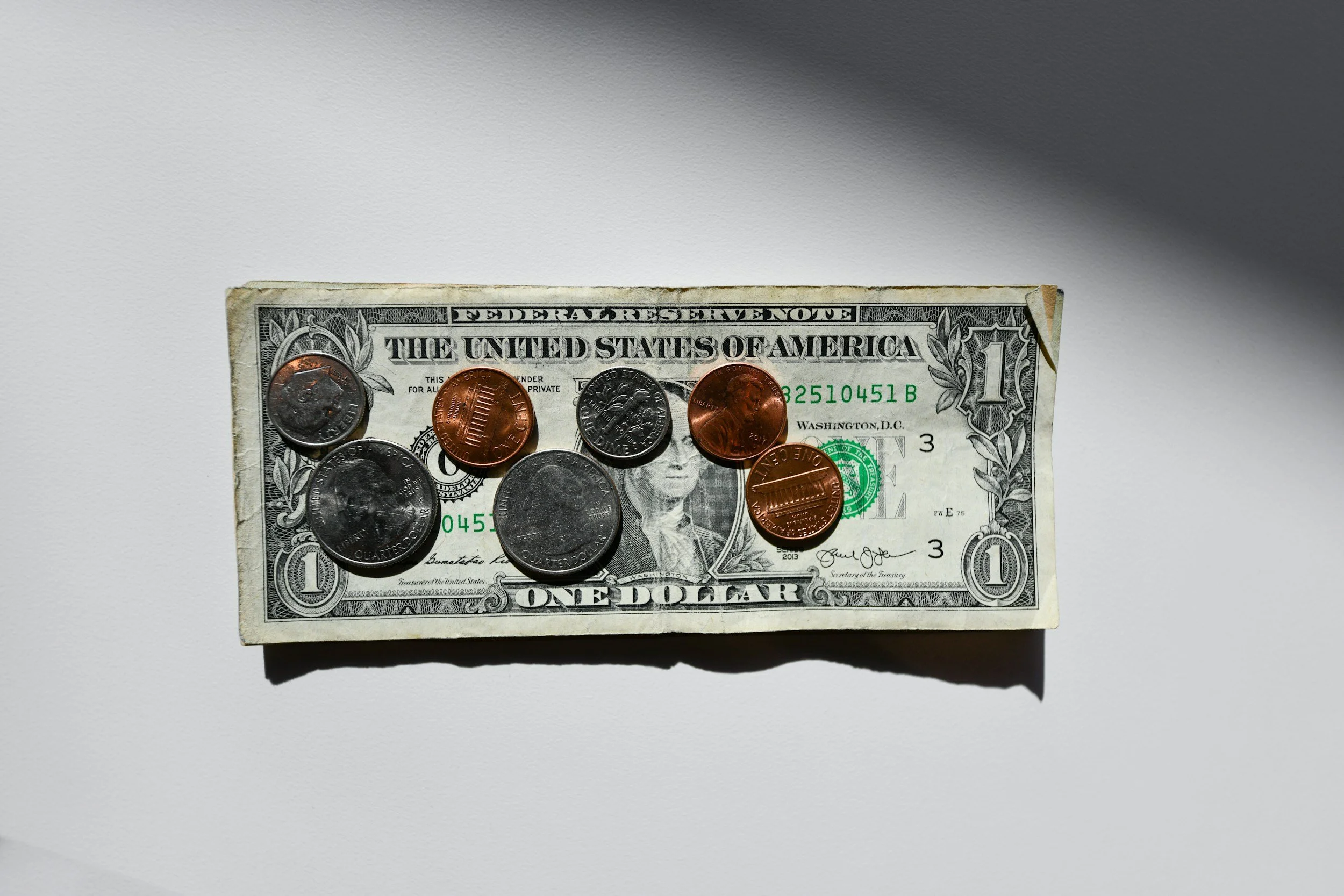
Once your irregular expenses are under control, it’s essential to keep your financial drive alive. Use these strategies to ensure your savings continue to grow.
Pay Yourself First Strategy
Paying yourself first means allocating money to savings before handling other expenses. Here’s how you can make it work:
-
Set a Savings Goal: Decide on a percentage of your income you want to save monthly. Even 10% can make a big difference over time.
-
Treat Savings Like a Bill: Include your savings in your monthly budget as a non-negotiable expense.
-
Adjust as Needed: If you get a raise or bonus, increase your savings percentage instead of lifestyle spending.
Most people put savings last, but prioritizing it ensures you always have money for the future.
Bill Smoothing Techniques
Bill smoothing helps manage cash flow by spreading out irregular expenses evenly throughout the year.
-
Calculate Annual Costs: List out all irregular expenses and total them.
-
Spread the Cost: Divide the total by 12 to find a monthly savings amount.
-
Create a Monthly Budget: Include this amount in your budget to avoid large, unexpected bills.
Most people think budgeting is restrictive, but bill smoothing offers freedom from surprise expenses.
Strategic Budgeting System

Your budget is the blueprint for financial success. Here’s how to build a system that handles irregular expenses effortlessly.
Mapping Annual Expenses
Knowing your annual expenses helps you plan effectively. It provides a clear picture of your financial commitments.
-
List All Expenses: Include everything from insurance premiums to holiday gifts.
-
Estimate Amounts: Use past records to estimate annual costs.
-
Plan for Each Month: Divide annual costs by 12 to find a manageable monthly savings goal.
By understanding your expenses, you’ll prevent surprises and maintain financial stability.
Creating High-Yield Savings Buckets 🚀
High-yield savings accounts offer better interest rates, making them ideal for growing your sinking funds.
-
Research Banks: Find accounts with the best interest rates and low fees.
-
Separate Your Funds: Open a different account for each sinking fund to keep your goals organized.
-
Watch Your Savings Grow: Enjoy the benefits of compound interest as your savings increase.
Many people overlook the power of interest, but even small amounts can grow significantly over time.
Frequently Asked Questions
What are sinking funds?
Sinking funds are savings set aside for specific, irregular expenses. By saving a little each month, you can avoid large, unexpected costs and keep your budget on track.
How can I automate my savings?
Automation involves setting up regular transfers from your checking account to savings accounts. This ensures consistent saving without needing to remember to do it manually.
What is the “pay yourself first” strategy?
This strategy involves prioritizing savings by treating them as a mandatory part of your budget. By allocating money to savings before other expenses, you ensure financial goals are met.
How do I use bill smoothing?
Bill smoothing involves dividing your total annual irregular expenses by 12 to create manageable monthly savings goals. This helps avoid large, unexpected bills throughout the year.
Why use high-yield savings accounts for sinking funds?
High-yield savings accounts offer higher interest rates, allowing your sinking funds to grow faster through compound interest. This maximizes your savings potential over time.
Leave a Reply